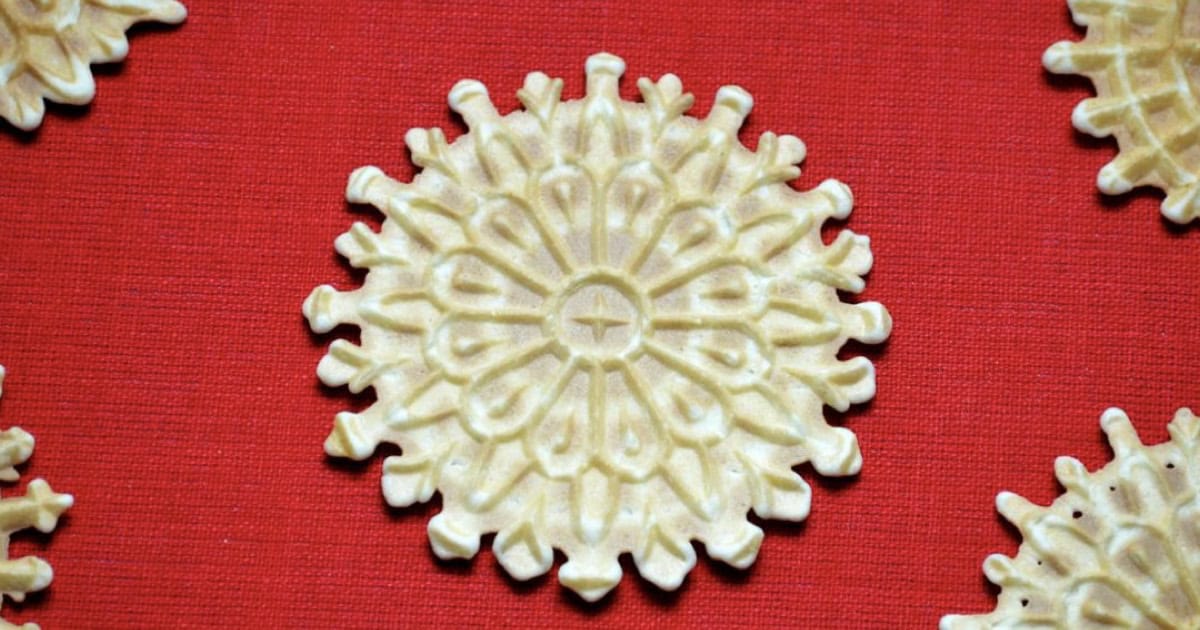
Pizzelle: Unveiling Italy's Oldest Cookie Tradition
Imagine a cookie so ancient, its origins predate modern baking as we know it, a delicate treat whispered through generations across Italian villages. This isn't a myth; it's the captivating reality of the pizzelle, often celebrated as Italy's oldest known cookie. More than just a simple dessert, pizzelle are a crunchy, subtly sweet testament to culinary heritage, embodying centuries of tradition in every beautifully imprinted wafer.
While known globally as "pizzelle," particularly in the United States, these cherished cookies bear various names across different Italian regions. In Abruzzo, their spiritual home, they are often called ferratelle. Travel to other parts of Central Italy, and you might hear them referred to as neole, cancelle, or even nuvole – each name a reflection of local dialect and tradition. Regardless of what they're called, their universal appeal lies in their crisp texture, delicate flavor, and the distinctive patterns pressed into them by a special iron.
Whether you're a seasoned baker or new to Italian confections, embarking on a pizzelle recipe journey offers a delightful connection to history. These elegant, waffle-like cookies are remarkably simple to make, requiring basic pantry staples and a dedicated pizzelle iron. They are perfect for holiday gatherings, weddings, or simply as an everyday indulgence with a cup of coffee. Let's dive into the rich history and practical art of crafting these timeless Italian treats.
The Storied Past and Regional Heart of Pizzelle
The history of pizzelle is as rich and intricate as the patterns on the cookies themselves. Believed to date back to the 8th century BC, some culinary historians argue that pizzelle might be the oldest cookie recipe on Earth. In ancient Roman times, a similar flat, pressed cookie called crustule existed, laying the groundwork for what would evolve into the modern pizzelle. This incredible longevity speaks volumes about their enduring appeal and cultural significance.
While variations of simple, flat, pressed baked goods have been part of Central Italy's culinary heritage for millennia, the pizzelle in its contemporary form likely crystalized in the Abruzzo region around the 18th century. Abruzzo, nestled in the heart of the Apennine mountains, claims primary ownership of this culinary gem, though its popularity extends to neighboring Lazio and Molise. Here, in small villages, pizzelle were not just food but symbols of tradition, often prepared for significant life events. Historically, the irons used to make them were true heirlooms, crafted from cast iron and sometimes engraved with intricate family crests, meaningful symbols, or even religious motifs. These personalized designs added a unique, sentimental touch, making each batch of pizzelle a connection to one's lineage and community.
The term "pizzelle" itself is thought to derive from the Italian word "pizze," meaning "round" or "flat," perfectly describing their characteristic shape. Today, while you might find round pizzelle with beautiful snowflake designs prevalent in the US, the traditional Abruzzese ferratelle often feature a distinct rhombus weave or rectangular shape. These subtle differences underscore the regional variations that make Italian cuisine so wonderfully diverse. Regardless of their specific moniker or shape, pizzelle continue to be a cherished component of Italian celebrations, from Christmas and Easter to weddings and baptisms, embodying the warmth of family and tradition.
Crafting the Perfect Pizzelle: Ingredients and Flavor Profiles
One of the most appealing aspects of a classic pizzelle recipe is its beautiful simplicity. The core ingredients are humble, yet when combined with care, they yield an exquisite result. You'll typically need:
- All-purpose flour: Sifting your flour is a small but mighty step. It aerates the flour, preventing lumps and ensuring a smoother, more uniform batter, which in turn leads to a lighter, more tender cookie. Don't skip this for the best texture!
- Eggs: Provide structure and richness.
- Sugar: For sweetness and to contribute to the cookie's delicate crispness.
- Milk: Adds moisture and helps achieve the desired batter consistency. Whole milk is often preferred for a richer flavor.
- Oil or Melted Butter: While traditional recipes might use oil, many modern versions, especially in the US, opt for melted butter for a richer, more decadent flavor profile. Butter also helps achieve that desirable golden-brown color and crisp edge.
- Baking powder: A leavening agent that gives pizzelle a slight lift and contributes to their tender-crisp texture.
- A pinch of salt: Essential for balancing the sweetness and enhancing all other flavors.
Flavorings: The Soul of Your Pizzelle
Beyond the basic ingredients, the true character of your pizzelle often comes from the chosen flavoring. This is where tradition meets personal preference:
- Anise: Perhaps the most traditional and beloved flavoring, especially for holiday pizzelle. Anise extract or seeds impart a distinct, licorice-like aroma and taste that is instantly recognizable and deeply authentic.
- Vanilla: A versatile and widely loved option, vanilla extract provides a warm, sweet, and comforting note that appeals to almost everyone.
- Lemon or Orange Zest: For a bright, fresh, and aromatic twist, citrus zest adds a wonderful counterpoint to the sweetness. This is particularly popular for spring and summer gatherings.
- Almond Extract: Offers a nutty, slightly sophisticated flavor that pairs beautifully with the delicate cookie.
- Cocoa Powder: For chocolate lovers, a touch of cocoa powder can transform pizzelle into a delightful, slightly bitter-sweet treat.
Experimentation is key! You can stick to one traditional flavor or mix and match to create your signature pizzelle. Many bakers even divide their batter to make a variety of flavors in one go.
Mastering the Art of Making Pizzelle
The process of making pizzelle is straightforward, but a few key steps and tips can elevate your results from good to exceptional.
Mixing the Batter
The preparation typically begins by whisking together the wet ingredients: eggs, sugar, milk, and your chosen extract (vanilla, anise, etc.). If using melted butter, it's incorporated here. In a separate bowl, sift your flour with baking powder and salt. Gradually add the dry ingredients to the wet, mixing until a smooth batter forms. You can do this by hand with a whisk or using an electric mixer for ease. The consistency should be thick but pourable, similar to pancake batter.
Pro Tip: Hydration is Key! Allow your batter to rest at room temperature for at least 1 hour, or even overnight in the refrigerator. This crucial step allows the flour to fully hydrate, resulting in a more tender, flavorful, and consistently crisp cookie. It also helps the flavors meld beautifully.
The Essential Tool: Your Pizzelle Iron
The defining characteristic of pizzelle is their intricate pattern, which comes from being cooked in a specialized pizzelle iron. These irons come in two main types:
- Traditional Cast Iron Irons: These are heated over a stove burner or even an open fire, reminiscent of ancient methods. They require more attention and practice to achieve consistent heat but offer a truly authentic experience. If you're using one, ensure it's properly seasoned.
- Electric Pizzelle Makers: Modern electric irons are by far the most convenient and popular choice. They heat evenly, often have non-stick surfaces, and come with indicator lights to signal when they're ready to use and when the cookie is cooked. Most models produce two pizzelle at once, making the process quick and efficient.
Always follow the manufacturer's directions for preheating and cooking with your specific iron. A well-heated iron is critical for perfectly crisp pizzelle; if the iron isn't hot enough, the cookies will be soft or chewy rather than crisp.
Cooking Your Pizzelle
Once your iron is hot, place about one tablespoon of batter in the center of each grid (adjusting slightly based on your iron's size). Close the iron firmly but gently. The batter will spread, filling the design. Cooking time is typically very short, usually 30-60 seconds, or until the pizzelle are golden brown and crisp. Remove them immediately with a thin spatula or knife and place them on a wire rack to cool completely. They will crisp up further as they cool.
Troubleshooting Tips:
- Too Soft: If your pizzelle are too soft, they might be undercooked, or your batter might be too thick. Try cooking them a bit longer or thinning your batter slightly with a tiny amount of milk.
- Too Crispy/Dark: If they're burning or becoming too dark, your iron might be too hot, or you're cooking them too long. Adjust heat or cooking time.
- Sticking: Ensure your iron is properly seasoned (for cast iron) or adequately non-stick. A light brush of oil or cooking spray can help, especially with older electric models.
Serving and Savoring Your Pizzelle
Pizzelle are incredibly versatile in how they can be enjoyed. Their delicate, crisp texture makes them perfect on their own, perhaps dusted with a light coat of powdered sugar. This simple presentation allows their subtle flavors to shine. However, their waffle-like structure also makes them an excellent vehicle for other treats:
- With Coffee or Tea: A classic pairing, perfect for dunking.
- As a Base: Top with fresh berries and whipped cream, a dollop of mascarpone, or even a spread of Nutella or fruit preserves.
- Ice Cream Cones: While still warm and pliable, you can gently roll a pizzelle around a wooden spoon handle to create a delicate cannoli-like shell or a small cone for holding scoops of gelato.
- Dessert Boards: Arrange them beautifully on a dessert platter alongside other Italian cookies and fresh fruit for an impressive display.
Once completely cooled, pizzelle can be stored in an airtight container at room temperature for several weeks, maintaining their crispness. They also make wonderful homemade gifts for friends and family during the holiday season.
From their ancient Roman roots as crustule to their modern-day status as beloved Italian holiday cookies, pizzelle carry a legacy of flavor and tradition. Their simple elegance, combined with the personal touch of a homemade pizzelle recipe, makes them a timeless indulgence. So, gather your ingredients, fire up your pizzelle iron, and partake in a delicious piece of Italian history that continues to delight palates across the globe.
